

Physiotherapists spend years studying how the body works, how injuries impact performance, and how to recover and repair injured tissues. Their expertise extends beyond treating pain - they understand biomechanics, movement patterns, and the complex relationship between muscles, joints, and nerves. Through this knowledge, they can identify the root causes of discomfort, design personalized rehabilitation programs, and guide patients toward safe and effective recovery. Physiotherapists also play a vital role in preventing future injuries by teaching proper posture, strengthening weak areas, and improving flexibility and balance. Whether helping someone return to daily activities, recover from surgery, or regain peak athletic performance, physiotherapists combine science, skill, and compassion to restore health and enhance quality of life.
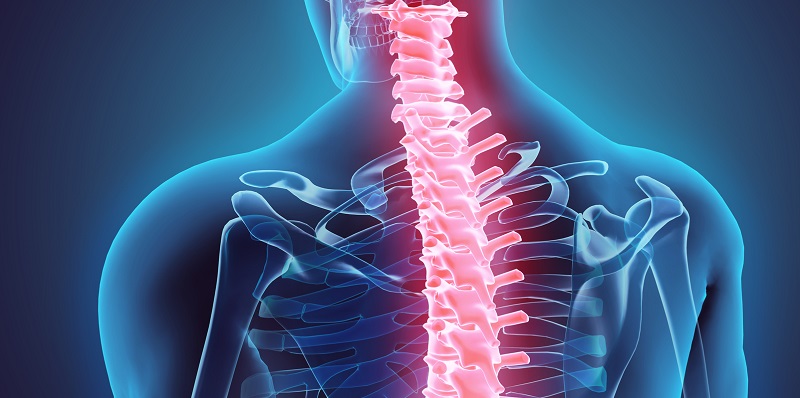
A personal injury from vehicle accident trauma is common, and many times the effects of such injuries are delayed or subtle. While some injuries such as fractures or cuts may be immediately noticeable, others like whiplash, soft tissue damage, or internal injuries can take hours, days, or even weeks to appear. This delayed onset often leads people to underestimate the seriousness of their condition. Symptoms such as headaches, dizziness, stiffness, numbness, or persistent pain should never be ignored, as they may signal underlying complications. Beyond the physical harm, accident trauma can also cause emotional stress, anxiety, or sleep disturbances that affect overall recovery. Seeking prompt medical evaluation after any accident is essential to ensure injuries are properly diagnosed and treated, while early rehabilitation and physiotherapy can help restore mobility, reduce pain, and prevent long‑term problems.

"I'm getting old. I have arthritis, the doctor said." A lot of age‑related problems originate from our sedentary lifestyle, and many of the aches, stiffness, and reduced mobility we experience are not simply the result of aging but of inactivity. When the body is not regularly challenged with movement, muscles weaken, joints lose flexibility, and circulation slows, all of which accelerate the aging process. By engaging in a structured program that focuses on gentle exercise, stretching, and strengthening, it is possible to slow down these changes and maintain independence for longer. Regular activity not only supports joint health and reduces arthritis symptoms but also improves balance, energy levels, and overall wellbeing. Taking proactive steps today can help preserve your body’s resilience and keep you active, confident, and capable as the years go by.

A well‑planned program to return to sport is essential, not only for regaining performance but also for avoiding multiple recurrent injuries. After an injury, the body needs time to heal, and rushing back into activity without proper guidance can lead to setbacks or chronic problems. A structured rehabilitation plan focuses on gradually restoring strength, flexibility, and coordination while addressing the specific demands of the sport. Physiotherapists and trainers play a key role in monitoring progress, correcting movement patterns, and ensuring that athletes rebuild confidence safely. Such programs also emphasize injury prevention strategies, including warm‑up routines, conditioning exercises, and education on proper technique. By following a carefully designed return‑to‑sport pathway, athletes can reduce the risk of re‑injury, enhance long‑term performance, and enjoy a healthier sporting career.

Physiotherapists spend years studying how the body works, how injuries impact performance, and how to recover and repair injured tissues. Their training combines deep knowledge of anatomy, physiology, and movement science with practical skills in assessment and rehabilitation. This expertise allows them to identify the root causes of pain or dysfunction, rather than just treating symptoms. By designing tailored treatment plans, physiotherapists help patients restore mobility, build strength, and regain confidence in their daily activities. They also play a crucial role in preventing future injuries by teaching proper posture, movement techniques, and lifestyle adjustments that support long‑term health. Whether assisting someone recovering from surgery, managing chronic conditions, or guiding athletes back to peak performance, physiotherapists blend science, skill, and compassion to promote healing and enhance quality of life.
For your convenience, you can book your appointment anytime or reach out if you have questions.
 03 5625
4488
03 5625
4488 info@drouinphysio.com.au
 Suite
3/22-26 Princes Wy, Drouin VIC 3818, Australia
Suite
3/22-26 Princes Wy, Drouin VIC 3818, Australia